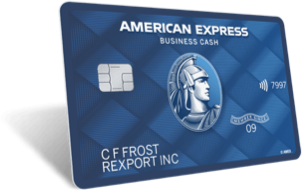
Pros and cons
- Pros:
- No annual fee with a strong 2x earning rate on all business spending
- 2x earning rate is on par with cards that charge hundreds in annual fees
- 0% intro APR for the first 12 months on purchases
- Flexible Membership Rewards points with airline and hotel transfer partners
- Free employee cards for tracking team spending
- Cons:
- 2.7% foreign transaction fee makes it poor for international purchases
- 2x earning is capped at $50,000 in spending per year, then drops to 1x
- Welcome offer is modest compared to premium business cards
- Limited built-in perks beyond the core rewards program
Welcome offer
The current offer is 15,000 Membership Rewards points after spending $3,000 in the first three months. It's not a mind-blowing offer, but for a no-annual-fee card, it's a decent start. Membership Rewards points are worth around 2 cents each when transferred to airline partners, putting this bonus at roughly $300 in value. That's enough for a domestic round-trip flight on some airlines with a good deal.
Key benefits
This card isn't loaded with benefits, but it has a few that matter. The "Expanded Buying Power" feature lets you spend over your credit limit, which can be a lifesaver for unexpected expenses. The amount you can go over isn't unlimited, but the flexibility is welcome during months with large, unexpected costs.
Employee cards are free. This is great for tracking expenses and earning points on team spending, and it makes managing business expenses much easier. The card also comes with basic purchase protection and an extended warranty, which is standard for Amex cards. The purchase protection has proven useful in real claims, and Amex handles them well.
Earning rewards
This is where the Blue Business Plus really shines. You get 2 points for every dollar you spend on everything. No bonus categories to track, no hoops to jump through. It's just simple, straightforward rewards on all business purchases up to the $50,000 annual cap. After that, you'll get 1 point per dollar. That's a strong return on everyday spending, whether it's office supplies, client lunches, or online advertising.
This simple earning structure is what makes the card so appealing. There's no need to think about which card to use for which purchase. Just use the Blue Business Plus for a consistently strong return. It's a card that can be set and forgotten, and that's a huge plus for a busy business owner.
Redeeming rewards
Membership Rewards points are among the most flexible points currencies available. The best way to use them is to transfer them to one of Amex's airline or hotel partners. Transferring points to book international business class flights can unlock incredible value. For example, 60,000 points transferred to Air Canada Aeroplan can book a business class flight to Europe. That same flight would cost over $3,000 in cash.
You can also use points to book travel directly through Amex, but the value isn't as good. You'll typically get around 1 cent per point when booking flights this way. Avoid redeeming for cash back or gift cards, as you'll get the lowest value, usually around 0.6 cents per point.
Transfer partners
Amex has a long list of transfer partners, but some of the best include:
- Airlines: Air Canada Aeroplan, Air France/KLM Flying Blue, Delta SkyMiles, and Singapore Airlines KrisFlyer. These partners offer the best value, especially for international travel.
- Hotels: Hilton Honors and Marriott Bonvoy. While the value isn't as good as with airline partners, it can still be a solid option for hotel stays.
Always check for transfer bonuses before moving points. Sometimes Amex will offer a 20% or 30% bonus when transferring to a specific partner, which can make points even more valuable. Bonuses of 30-40% have appeared for British Airways transfers in the past.
Competing cards
A few other cards are worth considering:
- Ink Business Unlimited Credit Card: A good card from Chase with no annual fee. It earns a flat 1.5% cash back on everything. The rewards are simple, but you don't get the same travel transfer options as with Amex. If you prefer cash back over travel rewards, this is a great option.
- Capital One Venture X Business: This card has a $395 annual fee, but it earns 2x miles on everything and comes with travel credits and lounge access. If you travel a lot, it could be worth the fee. The travel credit and anniversary bonus miles can offset the annual fee, making it compelling for the right business.
- The Business Platinum Card from American Express: The big brother to the Blue Business Plus. It has a high $695 annual fee, but it's packed with travel benefits. It's only worth it if you can use all the credits and perks. For a business that spends a lot on travel, the lounge access, airline fee credits, and other benefits can be well worth the cost.
Who should get this card?
For small business owners who want a simple, no-fee card that earns valuable travel rewards, the Blue Business Plus is a fantastic choice. It works well as the default card for all non-bonus category spending. It's a great way to earn a lot of Membership Rewards points without a lot of effort. For anyone just starting out in the world of travel rewards, this is the perfect card to begin with.
But if you spend a lot in specific categories like travel or dining, you might be better off with a card that offers bonus rewards in those areas. For example, the American Express Business Gold Card offers 4x points on your top two spending categories. And if you travel internationally, you'll definitely want a card with no foreign transaction fees, like the Chase Sapphire Preferred Card.
Bottom line
The Blue Business Plus is one of the best business credit cards out there. It's a simple, powerful, and affordable way to earn valuable rewards. For many small businesses, it's a card that's hard to beat.
Related reading
Looking for a better option?
Lovie combines company formation, banking, and virtual cards in one platform. No personal guarantee, 1.5% cashback on everything.