Everything you need to know about banking for business. Step-by-step instructions, costs, deadlines, and expert tips for best banking for small business llc.
By Omer Aydin ·
# Banking For Business: Complete Guide for Business Owners
Understanding banking for business is essential for any business owner navigating the formation and compliance landscape. Whether you're just starting out or managing an established entity, getting this right from the beginning saves time, money, and legal headaches. best banking for small business llc is a question many entrepreneurs face, and the answer depends on your specific state, entity type, and business goals.
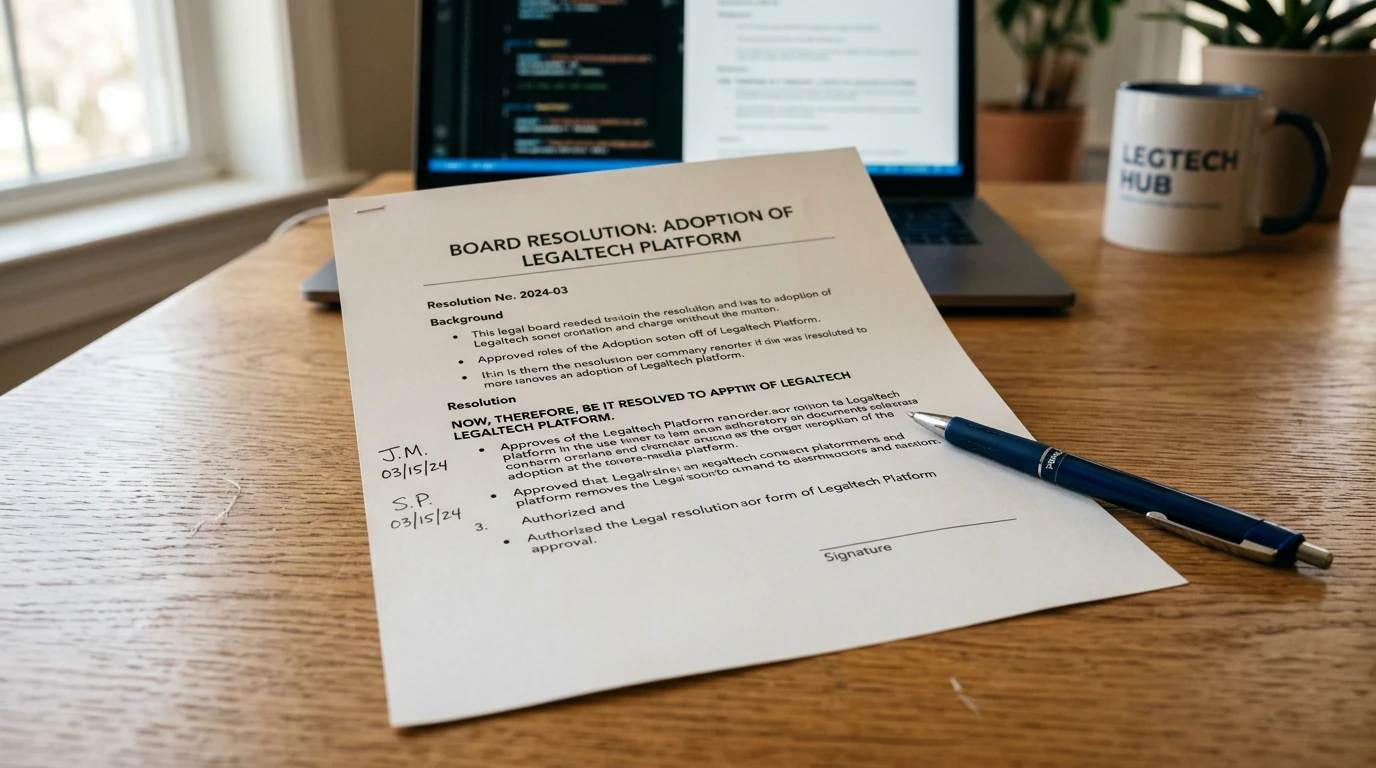
!Office workspace with banking for business forms and compliance checklist ready
The process of banking for business involves several distinct phases, each with its own requirements and potential complications. business bank account after LLC formation plays a significant role in determining how smoothly this process unfolds for your business. Here's what you need to know about each phase and how to navigate them efficiently.
Step 1. Research the specific requirements for your situation before taking any action. Requirements vary by state, entity type, and industry — what works for one business may not apply to yours.
Step 2. Gather all necessary documentation and information before starting the filing process. Having everything ready upfront prevents delays from incomplete submissions.
Step 3. Choose the right filing method for your timeline and budget. Online filing is typically faster and cheaper, but some states still require paper submissions for certain document types.
Step 4. Follow up after submission to confirm processing. Don't assume your filing was accepted — check your state's online portal or call the filing office to verify status.
Step 5. Set up systems to maintain compliance going forward. One-time filings are just the beginning — most business obligations require ongoing attention to deadlines, renewals, and updates.
When considering business banking account requirements, the specifics of your situation matter enormously. Banking for business requirements differ based on your entity type, state of formation, and the nature of your business activities. Lovie formation with banking setup
!Infographic summarizing key facts and deadlines for banking for business process
The cost of banking for business varies based on your state, the complexity of your situation, and whether you use professional services. State filing fees typically range from $50 to $500, with most falling in the $100-$200 range. Professional services add $100-$500 for handling paperwork, compliance monitoring, and ongoing support. Expedited processing, where available, adds $50-$200 to the base fee.
Many business owners ask about banking for business without ssn. The answer depends on your specific circumstances, but understanding the full picture of banking for business helps you make informed decisions about timing, budget, and approach.
!Step-by-step workflow diagram for completing banking for business successfully
The most common mistake is rushing through the process without proper research. Each state has specific requirements, and what works in one jurisdiction may not apply in another. Taking time upfront to understand your obligations prevents costly corrections later. Another frequent error is not maintaining proper records after the initial filing — ongoing compliance is just as important as the formation itself.
free business banking for startups is another consideration that experienced business owners prioritize. open business bank account with EIN The landscape around banking for business continues to evolve as states modernize their processes and new digital tools become available.
!Entrepreneur consulting advisor about banking for business strategy and timeline
For those researching banking for business online only, the key is understanding how it connects to the broader banking for business process. Each element builds on the others, and addressing them in the right order prevents backtracking and unnecessary expense.
Set up a business bank account for my new LLC
For the most current and definitive guidance on banking for business, consult official government sources and established legal references that are updated regularly to reflect current regulations and requirements.
FDIC — Money Smart Financial Education for Small Businesses
The business formation landscape continues to evolve as states modernize their systems and regulations adapt to new business models. Staying informed about changes in your state's requirements, taking advantage of digital filing options, and maintaining proper records positions your business for long-term success and compliance.
You shouldn't. Commingling personal and business funds undermines your LLC's liability protection. Courts can pierce the corporate veil if you don't maintain separation. Open a dedicated business account — most banks offer free or low-cost business checking.
Most banks require: EIN letter from the IRS, Articles of Organization, operating agreement, government-issued ID for all signers, and sometimes a business license. Some banks also want a DBA certificate if you operate under a different name.
Online banks (Mercury, Relay, Novo) often offer free business checking with no minimums. Traditional banks (Chase, Bank of America) provide more services but may charge $15-$30/month unless you maintain minimum balances.
Form your company with Lovie — $29 one-time + state fees; registered agent $79/year.