
On this page · 8 sections
Understanding Your DBA: The Basics of Fictitious Name Registration
A DBA, or 'Doing Business As,' is a registered name that allows a business to operate under a name different from its legal name. For sole proprietors and partnerships, the legal name is typically the owner's personal name or the partners' names. For LLCs and corporations, the legal name is the one filed with the state. A DBA provides a public record that links your chosen business name to your legal entity, offering transparency and enabling you to open bank accounts or sign contracts under that fictitious name. This registration is distinct from forming a legal entity like an LLC or corporation; it simply provides an alias for an existing legal structure. Check out our guide on starting a business in Arkansas for step-by-step instructions. The certificate itself is proof of this registration, a vital document for verifying your right to use that specific trade name in your jurisdiction. It’s not just a formality; it’s a necessary step for legal operation under an assumed name, protecting both your business and the public by clarifying who is behind the operations. Losing this document can create administrative hurdles, especially when dealing with financial institutions or potential business partners who require proof of your DBA registration. Understanding its purpose is the first step in effectively managing your business's identity and ensuring continuous compliance.
Initial Search Strategies: Where to Look First for Your DBA Certificate
The most straightforward path to finding your DBA certificate begins with retracing your steps from the initial registration. Start by checking your email archives and physical files. Many government agencies now issue certificates digitally, so a quick search for keywords like 'DBA certificate,' 'fictitious name,' or your business name might yield results. If you used a professional service to file your DBA, they might have a copy on file or can guide you on where to retrieve it. Next, identify the governmental body responsible for DBA registrations in your specific jurisdiction. This could be the Secretary of State, a county clerk's office, or even a city-level business license department. For example, in California, many DBAs are filed at the county level, while in Florida, they are filed with the Secretary of State. Our resource on starting a business in California breaks this down further. Having a clear understanding of where you filed will significantly narrow your search. Check your bank statements from the time of registration for any filing fees paid and the corresponding agency. This can provide a crucial clue if you're unsure where the initial application was sent. Organize any existing business documentation; sometimes, the certificate is tucked away with other formation papers. Persistence and a methodical approach are key to a successful retrieval.

State-Level Filing Variations: Navigating Secretaries of State Databases
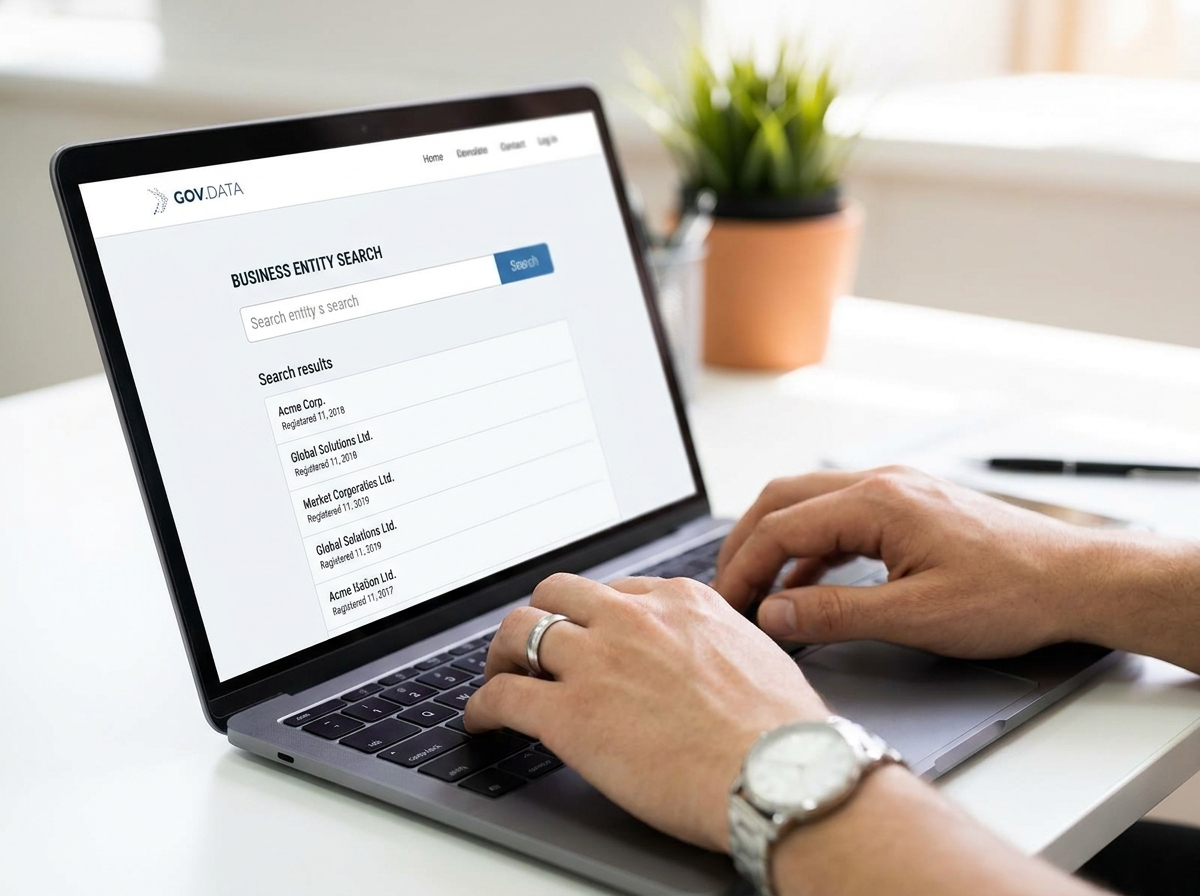
Many states centralize DBA registrations at the Secretary of State (SOS) level. If your business is in a state like Florida, Georgia, or Texas, your DBA would typically be registered with the respective Secretary of State. To find your certificate, you'll generally visit the SOS website and look for their 'Business Search' or 'Entity Search' portal. You'll need your business's legal name, the DBA name, or an entity ID number if you have it. These online databases are usually public and free to search. For example, the Florida Department of State, Division of Corporations, maintains an online search tool where you can look up fictitious names. Once you locate your registration, the site often provides options to view or download a certified copy. If you're exploring this further, our guide on starting a business in Colorado is a helpful next step. Be aware that some states may charge a small fee for certified copies, which can range from $5 to $25. While the process is generally streamlined, specific terminology may vary. Georgia's SOS refers to it as 'Trade Name Registration,' whereas Texas calls it 'Assumed Name Certificate.' Always ensure you're searching the correct state's SOS website to avoid unnecessary frustration. These online portals are a powerful resource for founders, allowing quick access to critical business information without needing to visit a physical office. Lovie assists founders with understanding and navigating these state-specific requirements, ensuring all necessary filings are prepared and submitted correctly, streamlining the entire formation and compliance process. We simplify entity and DBA registration, removing the guesswork.
County and City Level Filings: Local Jurisdictions and Their Registers
In some states, DBA registrations are handled at the county or even city level, rather than by the Secretary of State. This is particularly common in states like California, New York, and Pennsylvania. For instance, in California, fictitious business name statements are filed with the County Clerk's office in the county where the principal place of business is located. If you operate in multiple counties, you may need to file in each relevant county. To find your certificate, you'll need to identify the specific county or city clerk's office where you initially filed. Their websites typically have a 'Fictitious Business Name Search' or 'Public Records Search' function. You'll usually search by the DBA name or the owner's legal name. It's common for these local offices to charge a small fee for obtaining a certified copy of your filed statement, often around $10 to $20. Some counties may require a physical visit or a mail-in request, though many are moving towards online access. For example, the Los Angeles County Registrar-Recorder/County Clerk offers online search and ordering for Fictitious Business Name Statements. Always double-check the specific requirements for your county or city, as procedures and fees can vary significantly even within the same state. This decentralized system means more localized searching, but the principles of identifying the correct agency and using their public search tools remain the same.
Renewing and Replacing Your DBA: Ensuring Continued Validity
Once you've located your DBA certificate, it's crucial to understand its expiration and renewal requirements. Unlike legal entities like LLCs, DBAs often have a limited validity period, typically between 3 to 5 years. For example, in New York, a DBA registration through the County Clerk is generally valid for five years. Failing to renew your DBA on time can lead to serious compliance issues, including the inability to legally use your business name, open bank accounts, or enter into contracts under that name. The renewal process usually involves refiling the necessary forms with the original registering agency (Secretary of State, County Clerk, or city office) and paying an updated filing fee. Renewal fees can range from $10 to $100 depending on the jurisdiction. If your certificate is lost or damaged, obtaining a replacement is usually straightforward once you've identified the filing agency. Most agencies offer certified copies for a nominal fee, which serves as your replacement certificate. Some states, like Texas, require you to file a new Assumed Name Certificate if the original is lost, effectively treating it as a new registration. Always check the specific requirements of your jurisdiction for both renewal and replacement procedures to avoid operational disruptions. Maintaining an active and accessible DBA certificate is fundamental to your business's legal standing and operational continuity. Lovie streamlines the entire compliance lifecycle, from initial formation to ongoing renewals, ensuring founders never miss a critical deadline and always have access to their essential business documents.
Digital Records and Online Portals: Accessing Your DBA Information Electronically
The digital transformation of government services has made accessing DBA information significantly easier. Most Secretaries of State, and an increasing number of county and city clerk offices, now offer robust online portals for business searches and document retrieval. These platforms often allow you to: 1. Search for your DBA by name, owner's legal name, or entity ID. 2. View basic registration details instantly. 3. Order certified copies of your DBA certificate electronically, which are then mailed or provided as a downloadable PDF. For example, the Arizona Corporation Commission provides an online document search where you can access filed records. While some online searches are free, obtaining certified copies often incurs a small fee, typically ranging from $5 to $25. It's also worth noting that many third-party filing services, like Lovie, maintain digital copies of all documents they file on behalf of their clients, providing an additional layer of accessibility. If you used such a service, logging into your account or contacting their support team might be the quickest way to retrieve a copy. Always ensure you are on an official government website (look for .gov domains) when conducting searches or submitting requests to protect your information and avoid scams. Leveraging these digital resources not only saves time but also provides a convenient way to manage your business's compliance documents from anywhere, at any time.
Compliance and Ongoing Management: Beyond Just Finding Your DBA
Finding your DBA certificate is a critical step, but maintaining ongoing compliance is equally important for the long-term health of your business. This extends beyond just having the document; it involves understanding renewal cycles, ensuring your business address is current, and updating your DBA registration if your business name or legal structure changes. Most states require you to update your DBA if there's a significant change to your business's information. For example, if you move your principal place of business to a different county in California, you might need to file a new Fictitious Business Name Statement in the new county and potentially abandon the old one. Failing to keep your DBA information current can lead to legal complications, including fines, inability to enforce contracts, and difficulties with banking. Consider setting up reminders for renewal dates. Many state and local agencies do not send proactive reminders, placing the onus on the business owner. Leveraging a compliance platform like Lovie can automate these reminders and assist with the filing of necessary updates and renewals, reducing the administrative burden. Proactive management of your DBA status ensures that your business can continue to operate legally and maintain its professional identity without interruption. This diligence underpins robust business operations and protects your brand's integrity.
When to Seek Professional Help: Simplifying DBA Management with Lovie
While finding and managing your DBA certificate often involves straightforward steps, complexities can arise, especially for founders operating across multiple jurisdictions or those with intricate business structures. If you're struggling to locate your original filing, are unsure about state-specific renewal requirements, or need assistance with filing updates, seeking professional help can save significant time and prevent costly errors. Business formation and compliance services, like Lovie, specialize in navigating these governmental processes. We prepare and submit all necessary filings on your behalf, including DBA registrations, renewals, and amendments. Lovie’s AI-powered platform helps founders in all 50 states, ensuring accuracy and timeliness. This means you don't have to manually track renewal dates or decipher complex state regulations. Our service includes features like compliance monitoring and 24/7 support, providing peace of mind that your DBA and other vital business registrations are always up-to-date and accessible. For founders focused on innovation and growth—like AI operators, mobile developers, and e-commerce founders—outsourcing these administrative tasks to a reliable partner allows you to concentrate on your core business, knowing your compliance is handled expertly. We simplify the entire lifecycle of your business's legal identity, from initial formation to ongoing management, without any hidden fees or upsells, offering transparency and predictable costs.
Frequently asked questions
What is the difference between a DBA and an LLC?
A DBA (Doing Business As) is merely a fictitious name under which an existing legal entity operates. It does not create a separate legal entity. An LLC (Limited Liability Company), however, is a distinct legal business structure that provides liability protection to its owners. An LLC can also register a DBA to operate under a different brand name than its formal legal name. For example, 'Smith Consulting LLC' might register a DBA as 'Innovate Solutions'.
Do I need a DBA if I already have an LLC or Corporation?
You only need a DBA if your LLC or Corporation intends to operate under a name different from its legal name as filed with the state. If your business operates solely under its official LLC or corporate name, a DBA is not necessary. Many established businesses use DBAs to brand specific product lines or divisions without forming new legal entities.
How long is a DBA certificate usually valid?
The validity period for a DBA certificate varies by state and sometimes by county. Most jurisdictions require renewal every 3 to 5 years. For instance, in New York, a DBA is typically valid for five years, while in Florida, a fictitious name registration is valid for five years before requiring renewal. Always check your specific jurisdiction's requirements.
Can I search for my DBA certificate online?
Yes, in most states and many counties, you can search for your DBA certificate online. You'll typically visit the website of the Secretary of State or the County Clerk's office where you originally filed. Look for a 'Business Search' or 'Fictitious Name Search' portal. While basic search results are often free, obtaining a certified copy may incur a small fee.
What happens if I don't renew my DBA?
If you fail to renew your DBA, you may lose the legal right to operate under that assumed business name. This can lead to issues with opening or maintaining bank accounts, signing contracts, and general business compliance. Some jurisdictions may also impose fines or penalties for operating with an expired or unrenewed fictitious name.
Is a DBA certificate the same as a business license?
No, a DBA certificate is not the same as a business license. A DBA merely registers an assumed name for an existing business entity. A business license, on the other hand, grants your business permission to operate legally within a specific jurisdiction and industry. You may need multiple business licenses depending on your activities, even with a DBA.
Key Concepts: Business Formation
US Business Formation guides entrepreneurs through the business formation process with actionable steps. Key components include LLC formation, entity registration, and state filing, each playing a critical role in the business formation process. Understanding liability protection and tax optimization is essential, as these factors directly impact legal compliance.
When evaluating business formation options, factors such as business entity types and formation process should inform your decision-making process.
Entity Relationships
- Business Formation requires LLC formation
- Business Formation includes entity registration
- Business Formation establishes state filing
- Business Formation defines business structure selection
Quick answers
What do I need to know about How Do I Find My Dba Certificate for my business?
Understanding How Do I Find My Dba Certificate is essential for business compliance and operational success. The specific requirements vary by state and industry.
How does How Do I Find My Dba Certificate affect my business formation?
This aspect of business formation directly impacts your legal standing, tax obligations, and operational flexibility.
Explore Formation Guides
State-specific formation guides, cost breakdowns, compliance checklists, and expert comparisons — updated for 2026.
LLC Formation Guides
- How to Form an LLC for Virtual Assistant Hawaii
- How to Form an LLC for Web Developer West Virginia
- How to Form an LLC for Drone Services Wyoming
- How to Form an LLC for Freelancing California
Popular Guides
Cost by Entity & State
- Sole Proprietorship Cost Alabama Formation Costs
- Nonprofit Cost Michigan Formation Costs (2026) | Lovie
- C Corp Cost South Carolina Formation Costs (2026) | Lovie

Lovie is not a government agency, law firm, or professional advisory organization. Lovie is a private business-formation service that prepares and submits filings to the appropriate state agencies on your behalf — we do not issue government documents, and state approval times are not controlled by Lovie. Information on this page is general and not legal, tax, or financial advice.