
On this page · 7 sections
Understanding Georgia LLC Operating Agreements
In Georgia, an Operating Agreement is the foundational document for any Limited Liability Company (LLC), including those in the thriving landscaping sector. While not legally required to file with the Georgia Secretary of State, it is absolutely critical for establishing the internal governance and operational framework of your business. Think of it as your LLC's constitution, dictating everything from member contributions and profit distributions to management structures and dispute resolution mechanisms. Without a clear, written agreement, your landscaping LLC will be governed by Georgia's default statutory rules, which may not align with your specific business goals or member expectations. This can lead to significant misunderstandings, internal conflicts, and even legal battles down the line, particularly in multi-member LLCs. Even for a single-member LLC, an operating agreement is vital for maintaining the liability protection that an LLC offers, demonstrating that your business is a distinct legal entity separate from your personal assets. It’s a proactive measure that safeguards your investment and clarifies the path forward for your enterprise, providing a roadmap for growth and stability in the competitive Georgia market. For more details, see our guide on starting a business in Georgia. ## The Legal Basis in Georgia The Georgia Limited Liability Company Act (O.C.G.A. § 14-11-101 et seq.) provides the statutory framework for LLCs within the state. While it doesn't mandate filing, it implicitly recognizes the operating agreement's role as the primary document governing the relationship among members and the LLC. Section 14-11-301(a) of the Act, for instance, states that the operating agreement may provide for the management of the business and affairs of the LLC, including the rights, powers, and duties of its members and managers. This legislative backing underscores the authority and importance of your carefully drafted agreement. The absence of such an agreement means the state's default provisions will fill the void, which are often generalized and might not suit the unique dynamics of a landscaping business, where seasonal fluctuations, project-based work, and specific equipment needs are common.
Why a Landscaping LLC Needs an Operating Agreement
For a landscaping LLC in Georgia, an operating agreement isn't just a formality; it's a strategic necessity. The nature of landscaping often involves significant capital investment in equipment, fluctuating seasonal income, and distinct project-based challenges. A well-structured operating agreement addresses these unique aspects head-on. First and foremost, it solidifies the limited liability protection for your personal assets. Without this document, especially in a single-member LLC, a court might view your business as an extension of yourself, potentially exposing your personal property to business debts and lawsuits. By clearly outlining the operational separation, you reinforce the corporate veil. Secondly, in multi-member landscaping LLCs, it prevents disputes by explicitly defining roles, responsibilities, and decision-making processes. Who manages client acquisition? Who oversees equipment maintenance? How are large purchases approved? These questions, if left unanswered, can quickly escalate into costly disagreements. You can learn more about LLC registration in Georgia to understand the full picture. Third, it provides a clear framework for financial management, including how profits and losses are distributed, how capital contributions are handled, and what happens if a member needs to exit or if a new member joins. This is particularly crucial in a business with variable income streams, where clear financial protocols ensure fairness and transparency among partners. Lastly, it adds credibility to your business when dealing with lenders, investors, or potential buyers, demonstrating a professional and organized approach to your operations. Banks often require an operating agreement before approving business loans, viewing it as a sign of a stable and well-managed entity. This document proves that you've thought through the complexities of your business, offering a blueprint for its longevity and success. Consider the scenario of a landscaping business that acquires a new, expensive piece of machinery, like a commercial zero-turn mower or an excavator. If the operating agreement clearly outlines the capital contribution requirements and the approval process for such investments, the transaction proceeds smoothly. Without it, disputes could arise over who funds the purchase or how the ownership stake is affected, potentially stalling critical business growth. This proactive planning is invaluable.
Key Provisions for Your Georgia Landscaping LLC
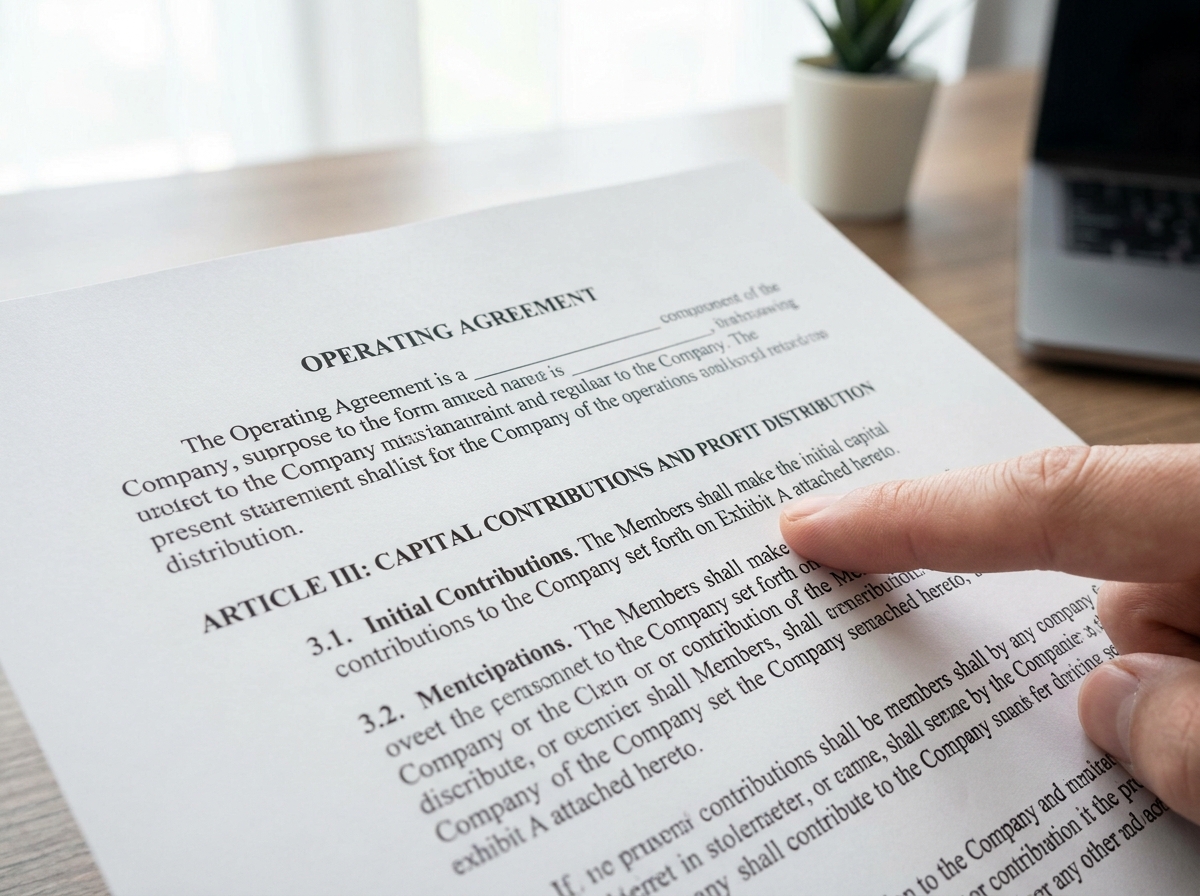
A robust operating agreement for your Georgia landscaping LLC should include several critical provisions tailored to your industry. Start with the basics: Company Name and Address, specifying your official LLC name and principal place of business in Georgia. Next, clearly define the Purpose of the Business, detailing that your LLC is formed for landscaping services, including but not limited to design, installation, maintenance, hardscaping, irrigation, and tree care. This broad definition ensures flexibility as your business evolves. ## Member Contributions and Capital Accounts Explicitly state each member's Capital Contributions, whether cash, property (like equipment such as mowers, trimmers, or vehicles), or services. Outline how these contributions are valued and recorded. Each member should have a Capital Account detailing their equity, and the agreement should specify how these accounts are maintained and adjusted. This is particularly important in landscaping where equipment can represent a significant portion of a member's contribution. ## Profit and Loss Distribution Detail precisely how Profits and Losses will be allocated among members. This doesn't necessarily have to be proportional to ownership percentages; you can define specific distribution methods. For example, some profits might be reinvested for equipment upgrades, while others are distributed annually. ## Management Structure and Voting Rights Define the Management Structure – will it be member-managed or manager-managed? Most smaller landscaping LLCs are member-managed. We cover this in depth in our resource on setting up your Georgia LLC. Clearly outline Voting Rights for significant decisions, such as securing large contracts, purchasing major equipment, or expanding services. Specify what constitutes a quorum and the voting threshold required for different types of decisions. ## Buy-Sell Provisions and Exit Strategies Perhaps one of the most crucial sections for long-term stability is the Buy-Sell Provision. This outlines what happens if a member wants to leave, becomes disabled, retires, or passes away. It should include valuation methods for a member's interest and specify buy-out procedures. For a landscaping business, this protects the remaining members and ensures business continuity. ## Dissolution Procedures While no one starts a business planning for its end, outlining Dissolution Procedures is essential. This section details how assets will be liquidated, debts settled, and remaining funds distributed if the LLC ceases operations. This foresight prevents complex and expensive legal battles during difficult times. A comprehensive agreement tailored to the nuances of the landscaping industry will serve as a vital operational guide and a legal safeguard. These provisions ensure that all members are on the same page regarding the financial, operational, and structural aspects of the business, fostering a stable environment for growth.
Drafting Your Agreement: Best Practices
When drafting your Georgia landscaping LLC operating agreement, adopting best practices ensures clarity, enforceability, and future adaptability. Start with a clear and concise language. Avoid overly complex legal jargon where simpler terms suffice, but ensure precision in all definitions. Ambiguity is the enemy of a good operating agreement, as it can lead to disputes and legal challenges. Utilize a well-structured template as a starting point, but always customize it to fit the specific nuances of your landscaping business. Generic templates often miss critical industry-specific clauses related to equipment, seasonal work, or client contracts. A template can provide the necessary framework, but your unique business operations require bespoke adjustments. For example, if your business specializes in large commercial landscaping projects, your agreement should reflect the higher capital needs and longer project timelines, compared to a residential lawn care service. ## The Role of Legal Counsel While Lovie provides robust operating agreement templates, consulting with a Georgia business attorney is always a wise step, especially for complex multi-member LLCs or those with significant assets. Legal counsel can provide invaluable insights into state-specific compliance, potential liabilities unique to the landscaping industry, and ensure your agreement is fully enforceable under Georgia law. They can help you identify and mitigate risks you might not have considered. For instance, an attorney can advise on specific clauses related to liability for property damage during landscaping work, or compliance with local environmental regulations. ## Regular Review and Amendments Your operating agreement shouldn't be a static document. Best practice dictates regular review, at least annually, or whenever significant changes occur within your business. This includes changes in ownership, major capital infusions, shifts in business strategy, or changes in Georgia's LLC laws. Establishing a clear amendment process within the agreement itself, detailing how and when modifications can be made, is crucial. This proactive approach ensures your agreement remains relevant and effective, reflecting the current state of your landscaping business and protecting all members. Neglecting to update your agreement can render certain clauses obsolete or create new ambiguities, undermining its protective function. The dynamic nature of the landscaping industry, with its evolving technologies, client demands, and environmental regulations, makes regular review even more critical.
Maintaining and Updating Your Agreement
Maintaining and regularly updating your Georgia landscaping LLC operating agreement is as crucial as its initial drafting. This isn't a
Maintaining and Updating Your Agreement
Maintaining and regularly updating your Georgia landscaping LLC operating agreement is as crucial as its initial drafting. This isn't a one-time document; it's a living guide that should evolve with your business. The dynamic nature of the landscaping industry, with its seasonal variations, technological advancements, and changing market demands, necessitates this adaptability. At a minimum, review your operating agreement annually. This annual check-up should align with your business planning cycle, perhaps at the end of the fiscal year or before a new growth season begins. During this review, assess whether the current provisions accurately reflect your business operations, ownership structure, and financial arrangements. Ask yourself: Are member roles still correctly defined? Are profit distribution methods still fair and appropriate? Does it account for new equipment acquisitions or service expansions? ## Trigger Events for Amendments Certain events should immediately trigger a review and potential amendment of your operating agreement. These include: 1. Changes in Ownership: Adding new members, a member exiting, or changes in ownership percentages. For a landscaping LLC, this could happen if a skilled foreman is offered an ownership stake. 2. Significant Capital Changes: Major investments into the LLC (e.g., purchasing a new fleet of trucks or heavy machinery) or substantial withdrawals. 3. Changes in Business Scope: Expanding into new services (e.g., adding irrigation installation, snow removal, or specialized hardscaping) or targeting a different market segment. 4. Changes in State Law: Although less frequent, Georgia's LLC statutes can be amended, requiring adjustments to your agreement to maintain compliance. 5. Dispute Resolution: If a dispute arises that the current agreement doesn't adequately address, it's a clear signal that an amendment is needed to clarify future procedures. ## Amendment Process Your operating agreement itself should outline the process for amendments. Typically, this involves a vote among members, requiring a supermajority or unanimous consent for significant changes. Document all amendments formally, ensuring they are signed and dated by all members, and keep them with the original operating agreement. This meticulous record-keeping is vital for legal clarity and to prevent future disputes. Neglecting to update your agreement can lead to outdated provisions that no longer serve your business, potentially exposing members to liabilities or causing internal friction. A well-maintained operating agreement ensures your Georgia landscaping LLC remains agile, compliant, and poised for sustained success. Consider how a landscaping business might acquire a new, high-tech drone for aerial surveys and advanced project planning. This new asset and capability might necessitate updates to clauses regarding equipment use, intellectual property, and even new service offerings. Without an updated agreement, the operational guidelines for this new technology might remain ambiguous.

Lovie and Your Georgia Landscaping LLC
Forming a landscaping LLC in Georgia and drafting a comprehensive operating agreement can seem daunting, but Lovie simplifies this entire process for founders like you. Our AI-powered platform is designed to handle the complexities of business formation, allowing you to focus on growing your landscaping business. From preparing and submitting your initial LLC filing with the Georgia Secretary of State to assisting with your EIN registration with the IRS, Lovie covers the essential first steps. This ensures your business is properly established and compliant from the outset, laying a solid foundation for your operations. Registered agent service is required in every state and is priced separately at $79/year ($49/year in Wyoming). These templates provide an excellent starting point for your landscaping LLC, incorporating key provisions discussed in this guide, which you can then tailor to your unique business needs. Lovie's $29 one-time fee covers formation preparation and filing, with compliance reminders included; state filing fees are paid directly to your state, and registered agent service is priced separately at $79/year ($49/year in Wyoming). We understand the specific demands of a landscaping business, where your time is best spent on client projects, equipment management, and team leadership, not on paperwork. By leveraging Lovie, you gain a partner that streamlines the administrative burden, allowing you to concentrate on delivering exceptional landscaping services across Georgia. Whether you're an experienced landscaper starting your own venture or expanding an existing one, Lovie provides the tools and support to ensure your business entity is sound, compliant, and ready for growth. With Lovie, you're not just forming an LLC; you're building a resilient and well-managed business. Our platform is built for modern founders, offering a conversational UI and instant filing status visibility. You can even use Lovie directly from your IDE via our MCP server, integrating business formation seamlessly into your workflow. We pride ourselves on transparent pricing with no hidden upsells, providing comprehensive support every step of the way. Let Lovie handle the backend, so you can transform Georgia's landscapes with confidence and peace of mind.

Frequently asked questions
Is an operating agreement legally required for a Georgia landscaping LLC?
No, the Georgia Secretary of State does not legally require you to file an operating agreement for your LLC. However, it is highly recommended as it acts as a legally binding contract among members, protecting your liability and outlining operational procedures. Without one, Georgia's default LLC statutes will govern your business, which may not align with your specific intentions or provide adequate protection for your personal assets.
Can a single-member landscaping LLC in Georgia benefit from an operating agreement?
Absolutely. Even for a single-member LLC, an operating agreement is crucial. It helps maintain the limited liability protection by distinguishing your business from your personal assets, which can be vital in case of a lawsuit or audit. It also provides a clear framework for your business's operation, offering credibility when dealing with banks or lenders.
What happens if my Georgia landscaping LLC doesn't have an operating agreement?
If your Georgia landscaping LLC operates without an operating agreement, it will be governed by the default provisions of the Georgia Limited Liability Company Act. This can lead to ambiguity regarding profit distribution, decision-making authority, and member responsibilities, potentially causing disputes and making it harder to prove your business is separate from your personal finances.
How often should I review and update my Georgia landscaping LLC's operating agreement?
You should review your operating agreement at least annually, or whenever significant changes occur in your business. This includes changes in ownership, major capital investments or withdrawals, expansion of services, or any shifts in management structure. Regular updates ensure the document remains relevant and legally sound.
Can I use a generic operating agreement template for my Georgia landscaping business?
While a generic template can provide a starting point, it's crucial to customize it to fit the specific needs of your landscaping LLC in Georgia. Industry-specific considerations like equipment ownership, seasonal income fluctuations, and specialized services should be addressed to ensure the agreement effectively protects your business and its members. Lovie provides customizable templates that can be tailored to your business.
Does Lovie provide legal advice for drafting operating agreements?
Lovie is a business formation service that prepares and submits filings and provides templates for documents like operating agreements. We are not a law firm and do not provide legal advice. While our templates are robust, we recommend consulting with a Georgia business attorney to ensure your operating agreement fully complies with all state laws and addresses your unique business circumstances.
Georgia Formation Data Insights
| State Filing Fee | $100 |
| Annual Fee | $50 |
| First Year Total | $150 |
| Processing Time | 7.8 days avg (official: 7-10 days) |
| Corporate Tax Rate | 5.19% |
Key Insights
- Georgia'de LLC kurulum maliyeti ulusal ortalamanın $74 altında — toplam ilk yıl maliyeti $150.
- Lovie platformu üzerinden Georgia LLC başvuruları ortalama 7.8 iş gününde onaylanmaktadır (eyalet resmi süresi: 7-10 gün).
- Georgia merkezli işletmeler için EIN onay süresi ortalama 3.9 gündür.
- Georgia kurumlar vergisi oranı %5.19'dir (ulusal ortalama: %6.57).
Construction & Trades — Formation Context
Recommended Entity: LLC
Key Tax Benefit: Vehicle/equipment depreciation, fuel costs
Compliance Priority: Contractor licensing, bonding requirements, workers comp
Data sources: State Secretary of State offices, IRS, Tax Foundation (2026). Platform metrics based on anonymized Lovie user data.
Key Concepts: Operating Agreement
LLC Operating Agreement governs the internal rules, member rights, and operational procedures of your LLC. Key components include member rights allocation, profit distribution terms, and management structure definition, each playing a critical role in the operating agreement process. Understanding capital contribution requirements and voting rights framework is essential, as these factors directly impact buy-sell agreement clauses.
When evaluating operating agreement options, factors such as fiduciary duty obligations and amendment procedures should inform your decision-making process.
Entity Relationships
- Operating Agreement requires member rights allocation
- Operating Agreement includes profit distribution terms
- Operating Agreement establishes management structure definition
- Operating Agreement defines dissolution provisions
Quick answers
Does California require an operating agreement for Landscaping LLCs?
While California does not legally mandate an operating agreement for LLCs (per CA Corporations Code § 17701.04), it is highly recommended for liability protection and internal clarity.
California LLCs are subject to an $800 annual franchise tax, regardless of activity. The operating agreement can outline how this expense is covered. All California LLCs must file a Statement of Information with the Secretary of State within 90 days of formation and every two years thereafter (CA Co
What key clauses should a Landscaping LLC operating agreement include?
Clearly defines each member's ownership percentage and rights within the LLC.
Details the initial and future capital contributions of each member. Explains how profits and losses are distributed among members.
What are common operating agreement mistakes for Landscaping businesses?
The most common mistake is using a generic template without customizing it for your specific business structure, industry requirements, and state laws.
Explore Formation Guides
State-specific formation guides, cost breakdowns, compliance checklists, and expert comparisons — updated for 2026.
LLC Formation Guides
- How to Form an LLC for Virtual Assistant Hawaii
- How to Form an LLC for Web Developer West Virginia
- How to Form an LLC for Drone Services Wyoming
- How to Form an LLC for Freelancing California
Popular Guides
Cost by Entity & State
- Sole Proprietorship Cost Alabama Formation Costs
- Nonprofit Cost Michigan Formation Costs (2026) | Lovie
- C Corp Cost South Carolina Formation Costs (2026) | Lovie

Lovie is not a government agency, law firm, or professional advisory organization. Lovie is a private business-formation service that prepares and submits filings to the appropriate state agencies on your behalf — we do not issue government documents, and state approval times are not controlled by Lovie. Information on this page is general and not legal, tax, or financial advice.